Know Exactly When 911 Is the Right Call.
Free, printable emergency guides for South Asian immigrant families
Download our informational flyers in English, Hindi, and Gujarati — more languages coming soon
Know the critical symptoms and call 911 immediately. Covers heart attack warning signs, stroke symptoms (F.A.S.T.), severe allergic reactions, and other emergencies like high fever, confusion, or severe bleeding.
गंभीर लक्षणों को पहचानें और तुरंत 911 पर कॉल करें। इसमें दिल का दौरा, स्ट्रोक (F.A.S.T.), गंभीर एलर्जी प्रतिक्रिया, तेज बुखार, भ्रम, या गंभीर रक्तस्राव जैसी आपात स्थितियों की जानकारी है।
ગંભીર લક્ષણો ઓળખો અને તરત જ 911 પર કૉલ કરો. હાર્ટ એટેક, સ્ટ્રોક (F.A.S.T.), ગંભીર એલર્જિક પ્રતિક્રિયા, તીવ્ર તાવ, મૂંઝવણ, અથવા ગંભીર રક્તસ્રાવ જેવી કટોકટીની માહિતી.
We're translating the Just a Call Away guide into more languages. English, Hindi, and Gujarati are available now — check back soon for more.
What's good to know about 911 here, focused on King County and Puget Sound. Costs can vary by city and by your insurance, so check with your local fire department.
There's really only one thing you need to learn. Say "I need a Hindi interpreter" and use whatever language you speak, like Gujarati, Punjabi, or Tamil. The 911 operator will get a free interpreter on the line and translate for you, so you never have to explain the emergency in English.1
If you call from a U.S. cell or landline, 911 can usually see where you are, and newer phones even send GPS. But an international phone often only points them to the nearest cell tower, and internet or Wi-Fi calling apps may not show anything at all. So say your address, or the closest cross street or landmark, the moment they pick up.2
Every 911 center in King County can take a text. Put 911 in the "To" field, and in your first message say where you are and what you need, police, fire, or medical. It's there for when you can't safely talk. Texting only works in English, though, so call instead whenever you can.9
You don't have to be at home. On a bus or train, in a shop, or walking down the street, you can still call 911. Just tell them where you are. If you're on transit, they can send station or transit security too, and it won't cost you anything.
If you think someone's life or safety could be at risk, don't wait until you're certain. It's always okay to call and find out. 911 is free, open around the clock, and works even on a locked phone. Stay on the line until they tell you it's fine to hang up.
A 911 call never costs anything. It goes through even if your phone is out of minutes, the plan is shut off, or it's a phone from another country, as long as it can find a signal. Don't ever skip calling because you're worried about a bill.3
Don't let the name stop you. Around 8 out of 10 calls the fire department runs aren't fires at all, they're medical. Helping with a heart attack, a bad fall, or trouble breathing is what they do all day long.8
State law here, the Keep Washington Working Act, stops state and local agencies from asking your immigration status or handing your information to federal immigration authorities. Calling 911 for help gets you a medic, not questions about your papers.10
When firefighters or paramedics show up and help you, you're not charged for the visit or the care they give you on the spot. If they check you over and you both agree you don't need the hospital, there's usually no bill at all.4
The Medic One paramedics who handle the serious calls, like heart attacks and strokes, are paid for by a King County levy that voters approved. Their care and the ride to the hospital don't cost you a thing.4, 5
If a basic (BLS) crew comes to check on you and you turn out fine, and they don't take you in, you pay nothing. You only get billed if you actually need the ride. In Seattle that runs about $950 plus $15 a mile, sent to your insurance, and it's similar in nearby King County cities. So the check is free. It's the transport you pay for.4
A medical helicopter can run into the tens of thousands of dollars. AirLift Northwest has a membership that's $85 a year and covers your whole household, including your spouse or partner and your kids. If any of you ever gets flown, they bill your insurance and the membership covers the rest, so there's no surprise bill. It's especially worth it if you live somewhere an ambulance can't reach easily.6
The story behind Just a Call Away
"It just struck me as horrible, because a life could have been saved, possibly, and he died for a reason that wasn't even in her control."
— Aditya Desai, in The Seattle Times, March 2026
A few months ago, an elderly relative of ours had a heart attack at home. He and his wife had recently come to the U.S. from India. Their children were out of town. When the emergency happened, his wife wasn't sure what to do — so she started calling relatives and friends, none of them nearby, none of them emergency professionals. By the time help arrived, it was too late. Paramedics later said he likely could have been saved if 911 had been called sooner.
It was the kind of loss that couldn't unhappen. But it could be prevented from happening to someone else. So the two of us, brothers, a high-school senior and a freshman, started asking why elders in our community don't always pick up the phone and dial 911 when seconds matter.
It wasn't one big problem. It was a stack of smaller ones, all pushing in the same direction: hesitation.
We started with the three languages we speak: English, Hindi, and Gujarati. We sat with our parents and grandmother to work out the wording, because not every term translates cleanly. Then we started carrying the flyers everywhere we went and putting them up at temples, libraries, and grocery stores across the Eastside.
Marathi, Tamil, and Telugu are on the way, and we're working with local Hindu temples, community centers, and Sewa International to begin running in-person workshops for elders. We're also working with King County to expand the reach. The goal is statewide — and eventually, every language an immigrant family in Washington might speak.
None of this brings back the relative we lost. But it's our answer to the question we couldn't shake afterwards: what if she had known?
Follow our work on Instagram @justacallawayofficial — we share new flyers, distribution updates, and stories from the families we meet.
Every year, immigrant families lose loved ones because they didn't know when or how to call 911.
Language barriers. Fear of authorities. Unfamiliarity with the system. These obstacles cost precious minutes when seconds matter most.
We're changing that. Our free, culturally-sensitive guides give families the knowledge they need to act fast in emergencies. Because no one should lose a parent, grandparent, or loved one due to a preventable gap in awareness.
We are currently working with King County officials to expand the reach and impact of our initiative, bringing emergency preparedness resources to even more communities across the region.
Get the Free GuidesInteractive sessions to help communities understand emergency services
An overview of 911, fire, police, and EMS — what each service does and how they work together to keep you safe.
Coming SoonLearn to recognize the signs of a true emergency and understand when calling 911 is the right decision.
Coming SoonUnderstand the scope of emergency response — what responders are trained to handle and what falls outside their role.
Coming SoonPractical advice on staying calm, giving clear information, and requesting a language interpreter during an emergency call.
Coming SoonSteps every household can take today — from posting your address by the phone to practicing what to say when you call 911.
Coming SoonOrganizations helping us reach more families
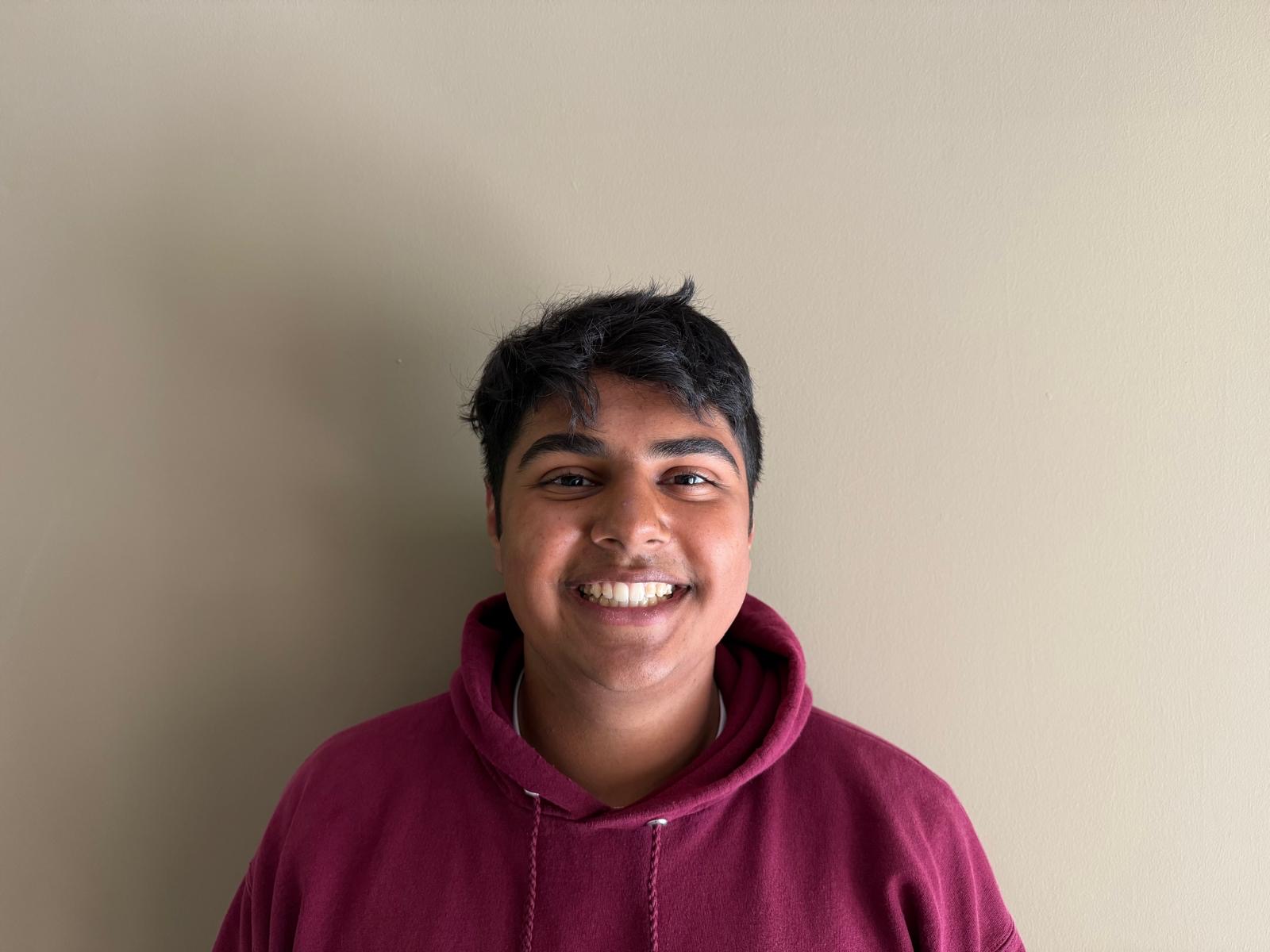
Co-Founder
High school senior at Lakeside School passionate about bridging the gap between immigrant communities and emergency services. Co-founded this initiative to help save lives through culturally sensitive education.
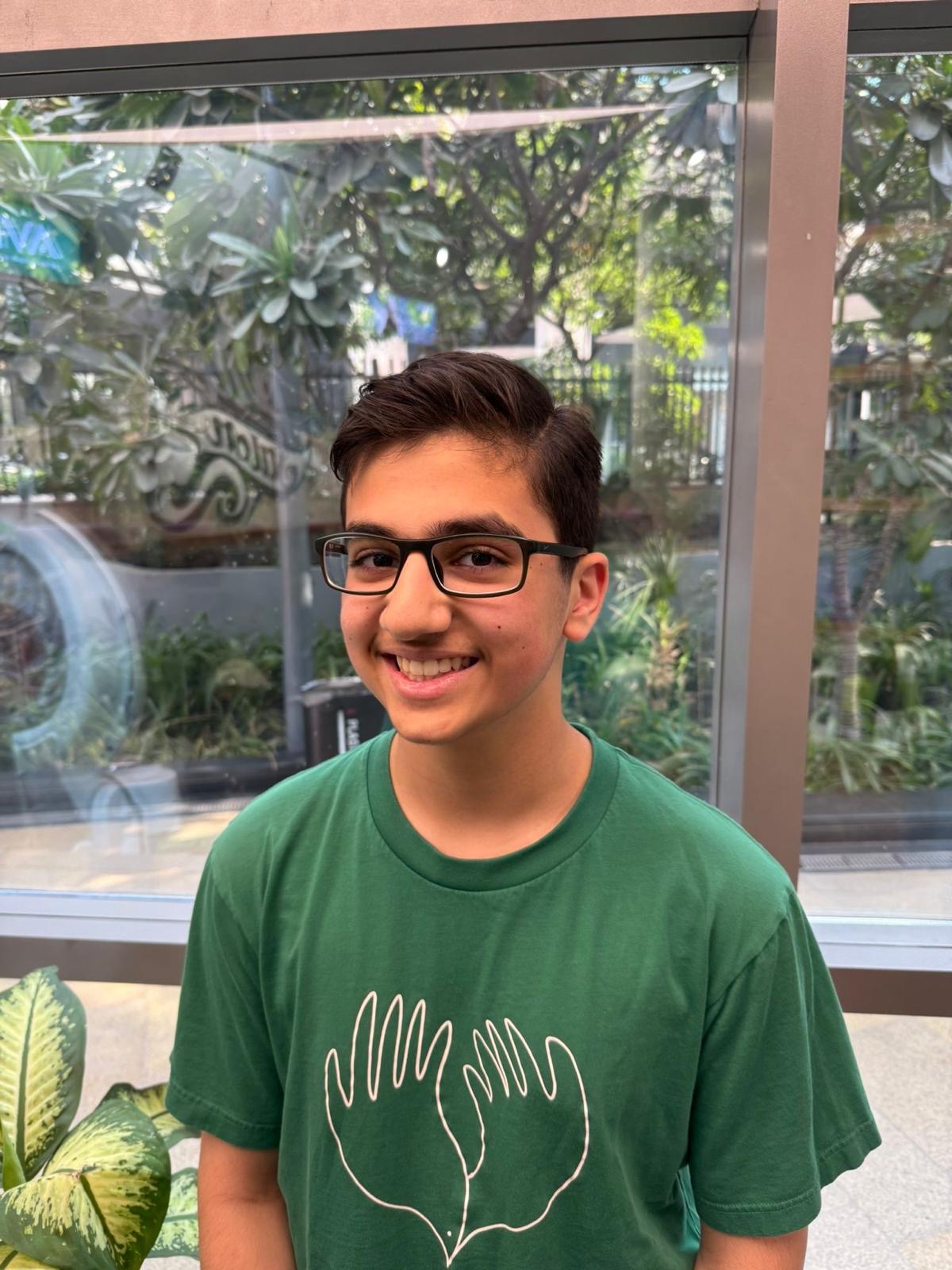
Co-Founder
High school freshman at Lakeside School committed to making a meaningful impact in immigrant communities. Co-founded this initiative to help families access life-saving emergency information in their native languages.
Help us expand emergency preparedness resources to more communities
These are all of the places where our flyers have been distributed
Report where you distributed a flyer and we'll add it to the map.
Have a question, want to partner, or just want to say hello? Reach out below.